4th Ave Locksmith Service Team
Local locksmith team
May 18, 2026 10 min read
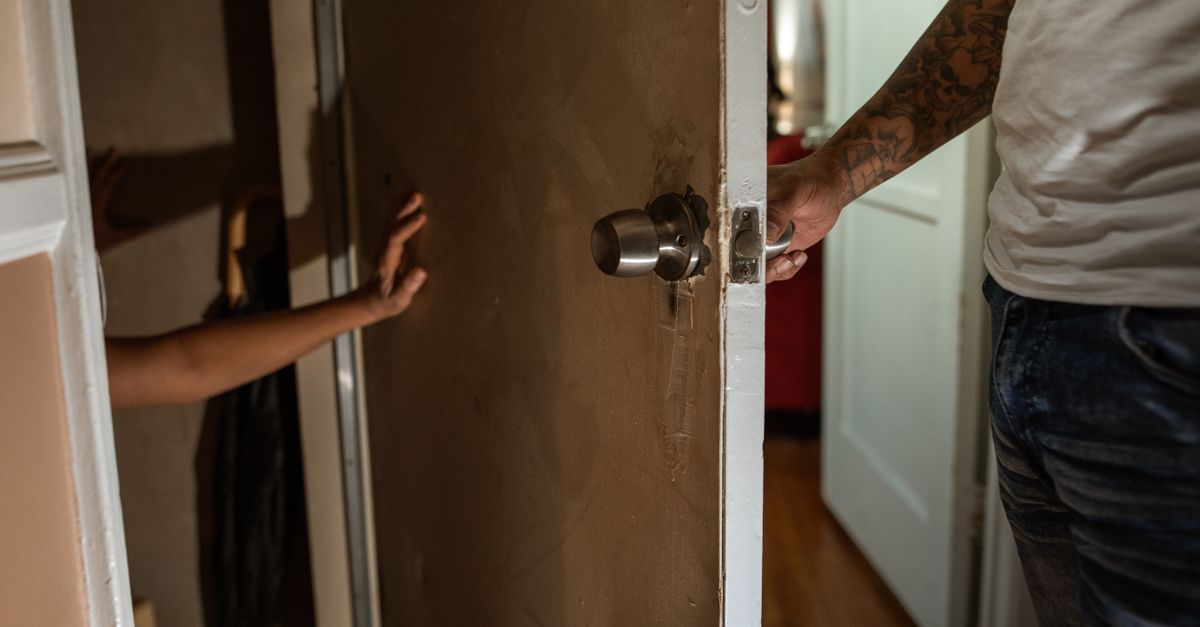
If you live or own property in New York City, you've probably seen the bright orange HPD violation notices taped to building doors — and few citations are more common than those tied to self-closing door requirements. Whether you manage a brownstone on 4th Avenue in Brooklyn, a walk-up in Washington Heights, or a mixed-use building near the Fulton Street corridor, understanding what the city actually requires — and what hardware satisfies those requirements — can save you from fines, liability, and very frustrated tenants.
This guide breaks down New York City's self-closing and self-locking door rules in plain language, explains the specific hardware that keeps buildings compliant, and shows you where a professional mortise lock installation fits into the picture. Landlords and tenants alike will walk away knowing exactly what to look for, what to ask for, and who to call when something needs to be fixed fast.
## What NYC's HPD Self-Closing Door Rules Actually Require
Under the New York City Housing Maintenance Code and the NYC Building Code, self-closing doors are mandatory in virtually every multi-family residential building. The core rule: any door that opens onto a stairwell, a public hallway, a roof, a cellar, or a boiler room must close and latch automatically after each use — without anyone pushing it shut. This applies to both entrance doors and interior fire doors. HPD inspectors look specifically for doors that swing freely, close completely without bouncing open, and engage their latch every single time.
The requirement isn't just about security — it's a fire safety rule. An unlatched stairwell door can allow smoke and flames to travel through a building in minutes. Landlords who receive an HPD violation for a non-compliant door are typically given a short correction window, and repeat violations can result in escalating penalties. Tenants have the right to report these violations directly to HPD via the city's 311 system, and many do, especially after a break-in or a fire scare in the building.
## The Mortise Lock: The Gold Standard for NYC Building Compliance
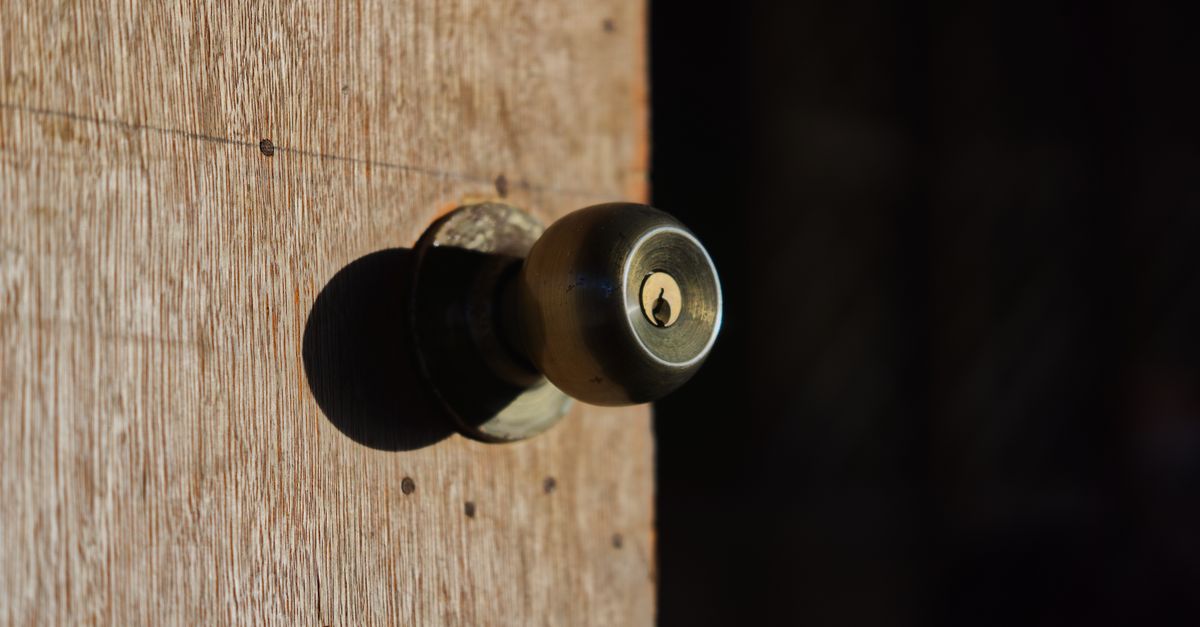
When it comes to satisfying both HPD's self-latching requirement and New York's broader security standards, the mortise lock is the hardware most commonly specified by architects, building managers, and experienced commercial locksmiths across the five boroughs. Unlike a simple cylindrical door knob lock — which sits on the surface of the door — a mortise lock is set into a precisely cut pocket (the mortise) within the door itself. This gives it exceptional strength, since there's no exposed housing to pry or kick. A quality mortise lock typically combines a deadbolt, a latch bolt, and often a privacy or indicator function all in one unified body, making it ideal for the high-traffic, high-demand environment of a New York apartment building.
For building owners, the practical advantage is durability. A properly installed mortise lock on a steel or solid-wood door can withstand years of constant use without the latch mechanism wearing loose — which is exactly what you need when dozens of residents are passing through a lobby door every single day. Our team at 4th Ave Locksmith installs, rekeyes, and repairs mortise lock hardware throughout New York, and we work with building managers who need same-day service when a front door mechanism fails at midnight on a Tuesday. If you need a professional mortise lock assessment right now, call us at (646) 736-2918 — we're available around the clock.
## Door Closers, Door Knob Locks, and the Full Hardware Picture
A self-closing door requires two things working in tandem: a door closer (the mechanical arm at the top of the door that provides the return force) and a latching mechanism (the lock hardware that actually secures the door in the closed position). Neither one alone satisfies HPD's requirement. A door with a working closer but a broken door knob lock latch will swing shut and bounce back open — which is an HPD violation. Conversely, a door with a functional mortise lock but a burned-out closer won't close on its own at all, which is equally non-compliant.
Door closers themselves come in several grades. Grade 1 commercial closers are the correct specification for shared building doors in NYC — they're engineered for high-cycle use and can be adjusted for closing speed and latching force. For individual apartment entry doors, a lighter-duty closer may be appropriate, but the door knob lock or mortise lock on that door still needs to engage every time. Building owners doing a compliance upgrade should replace the full assembly — closer, strike plate, door frame reinforcement, and lock hardware — rather than patching one component at a time. Piecemeal repairs often result in a second violation within months.
## Emergency Locksmith Response When Compliance Becomes a Crisis
HPD doesn't always give landlords advance notice before an inspection, and a malfunctioning self-closing door can go from a minor annoyance to an official violation in a single afternoon. We regularly respond to calls from building supers along the 4th Avenue corridor in Brooklyn, from property managers in Astoria, and from co-op boards in the Bronx who need a qualified emergency locksmith on-site within the hour. When a front door mortise lock fails or a fire door stops latching, that's not a next-business-day problem — it's a same-day problem, and often a same-night problem.
Our mobile locksmith units carry the most common mortise lock bodies, door closer hardware, and strike plate reinforcement stock, which means we can diagnose and resolve the majority of compliance failures in a single visit. For commercial locksmith calls — apartment buildings, retail storefronts, office suites — we always begin with a walk-through assessment so you understand exactly what needs to be done before we start any work. Factors that shape the final price include the lock hardware type and grade, the time of day, travel distance to your location, and whether replacement parts are needed on the spot. We confirm an exact up-front price before we touch anything, with no hidden fees added after the job.
## What Tenants Can Do — and When to Call a Professional
Tenants don't install their own building door hardware, but they do have important rights and responsibilities under the NYC Housing Maintenance Code. If you notice that a stairwell door in your building is propped open, won't latch, or has a broken self-closer, you can — and should — report it to your landlord in writing first, then to HPD via 311 if the landlord doesn't act promptly. Document everything with a photo and a date-stamped message. This protects you legally and creates a paper trail if the building later has a fire or security incident tied to the same door.
For your own apartment door, the lock hardware is generally the landlord's responsibility to maintain in working order, but tenants often want to upgrade their own mortise lock or add a secondary lock for peace of mind. In New York, you are legally allowed to add additional locks to your apartment door as long as you provide the landlord with a key. If you've moved into a new unit and want the locks rekeyed — a smart move after any tenant turnover — our team can handle that quickly without replacing the entire hardware set. Need guidance on whether your door setup meets building code? Call (646) 736-2918 and one of our experienced locksmiths will walk you through it.
## How NYC Locksmith Costs Work — No Surprises
One of the most common questions we hear — especially after someone has just gotten an HPD notice — is some version of: how much does an NYC locksmith cost, or how much does a local locksmith charge for a commercial job? The honest answer is that no legitimate locksmith can quote a single flat number without knowing the specifics of your situation. What does affect your quote: the type and grade of lock hardware required (a heavy-duty commercial mortise lock costs more than a residential door knob lock), whether you need same-day or after-hours emergency locksmith service, travel distance to your building, and whether any door frame or strike plate reinforcement is needed alongside the lock work.
What we never do is give you a low number over the phone and then revise it upward once we're at the door. Before any work begins, you receive a confirmed, itemized price. There are no add-on fees for after-hours calls that weren't disclosed from the start. New York City has unfortunately seen a pattern of unlicensed operators advertising low rates and then dramatically inflating invoices on-site — it's worth knowing that New York State does require locksmiths operating in NYC to register with the city, and you should always verify that whoever shows up at your door can identify themselves as a registered, insured professional. At 4th Ave Locksmith, our team is trained, experienced, and insured, and we stand behind every job we complete.
Frequently asked questions
Does NY require a locksmith license?+
New York City requires locksmiths to register with the NYC Department of Consumer and Worker Protection (DCWP) and carry a valid locksmith license issued by the city. This is separate from a general business license. Always ask any locksmith who comes to your door for their NYC license number — a registered professional will provide it without hesitation. At 4th Ave Locksmith, our team is fully insured and operates in compliance with NYC registration requirements.
How much should an emergency locksmith cost, and what is the average call-out fee for a locksmith in NYC?+
There is no single citywide standard, and any company quoting a flat price without knowing your specific situation should be approached cautiously. Legitimate pricing reflects real variables: the type of lock hardware involved (a mortise lock job differs significantly from a simple door knob lock swap), the time of day, how far the technician needs to travel, and whether parts need to be sourced on the spot. What you should always receive — and what we always provide — is a confirmed, itemized price before any work begins, with no hidden fees added afterward.
What hardware does HPD actually want to see on a self-closing building door?+
HPD requires that covered doors (stairwell, lobby, cellar, roof access) both close automatically and latch securely on their own. In practice, this means a properly calibrated Grade 1 door closer paired with a functioning latch mechanism — typically a mortise lock or a heavy-duty cylindrical lock — and a reinforced strike plate. The door must close and latch without any manual assistance. If either the closer or the latch fails, the door is non-compliant even if the other component is in perfect condition.
How much does an emergency locksmith cost near me if I need a mortise lock replaced the same night?+
Same-night mortise lock replacement in New York City involves a few cost factors: the grade and brand of mortise lock body needed (hardware for a steel fire door differs from that for a wood residential door), after-hours service timing, the technician's travel distance to your building, and whether the door frame or strike plate needs reinforcement work at the same time. At 4th Ave Locksmith, we quote the full job price before we begin — call (646) 736-2918 any time of day or night and we'll assess your situation and give you a clear number with no surprises.